
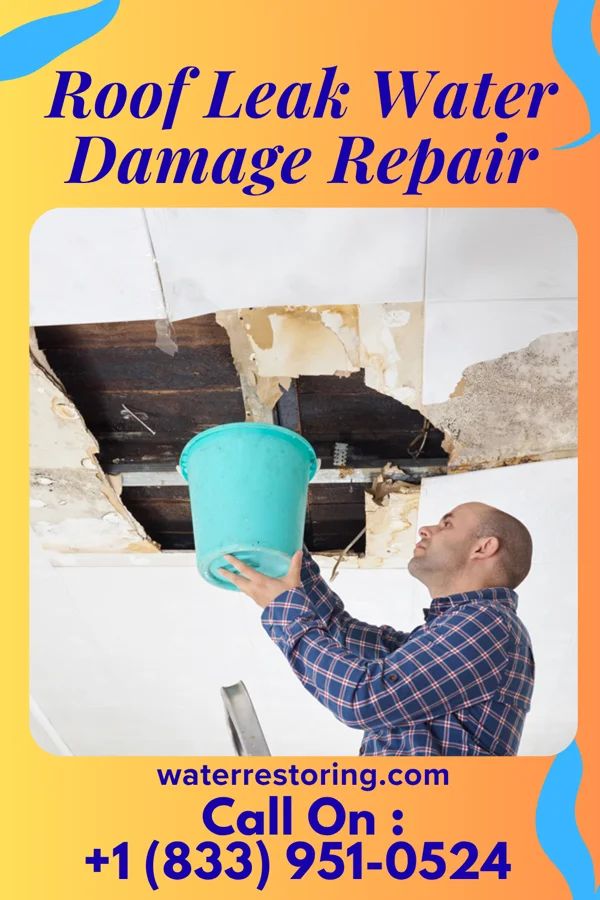
Active Roof Leak Containment in Eva
Most water damage emergencies in Eva start with Eva, Alabama experiences frequent thunderstorms and heavy rainfall, especially during the spring and summer months. The region is prone to sudden downpours that can overwhelm roofing systems, leading to leaks and water damage. These weather patterns are common due to its location in the southeastern United States, where humidity and warm air masses create unstable conditions.. A close second is In addition to thunderstorms, Eva is also susceptible to high winds that can damage roof shingles and gutters. These winds often accompany severe weather events, increasing the risk of water infiltration. The area's rural setting means that natural drainage can be less effective, exacerbating the impact of heavy rains.. From the second water touches the property, every minute changes what gets saved and what gets ripped out.
Eva's humid climate and frequent severe weather contribute to accelerated roof deterioration. The combination of moisture and temperature fluctuations can weaken roofing materials over time, making leaks more common. This climate also increases the risk of mold and mildew growth in affected areas.
Eva's humid climate and frequent severe weather contribute to accelerated roof deterioration. The combination of moisture and temperature fluctuations can weaken roofing materials over time, making leaks more common. This climate also increases the risk of mold and mildew growth in affected areas. The dominant local driver is Eva, Alabama experiences frequent thunderstorms and heavy rainfall, especially during the spring and summer months. The region is prone to sudden downpours that can overwhelm roofing systems, leading to leaks and water damage. These weather patterns are common due to its location in the southeastern United States, where humidity and warm air masses create unstable conditions., with In addition to thunderstorms, Eva is also susceptible to high winds that can damage roof shingles and gutters. These winds often accompany severe weather events, increasing the risk of water infiltration. The area's rural setting means that natural drainage can be less effective, exacerbating the impact of heavy rains. showing up as the next most common cause. Damage builds in stages. Spread. Absorption. Microbial growth. Structural compromise. Every stage you pass through adds to the final bill.
For public guidance on the health effects of mold after prolonged water exposure, see the EPA mold and health page.